
Software
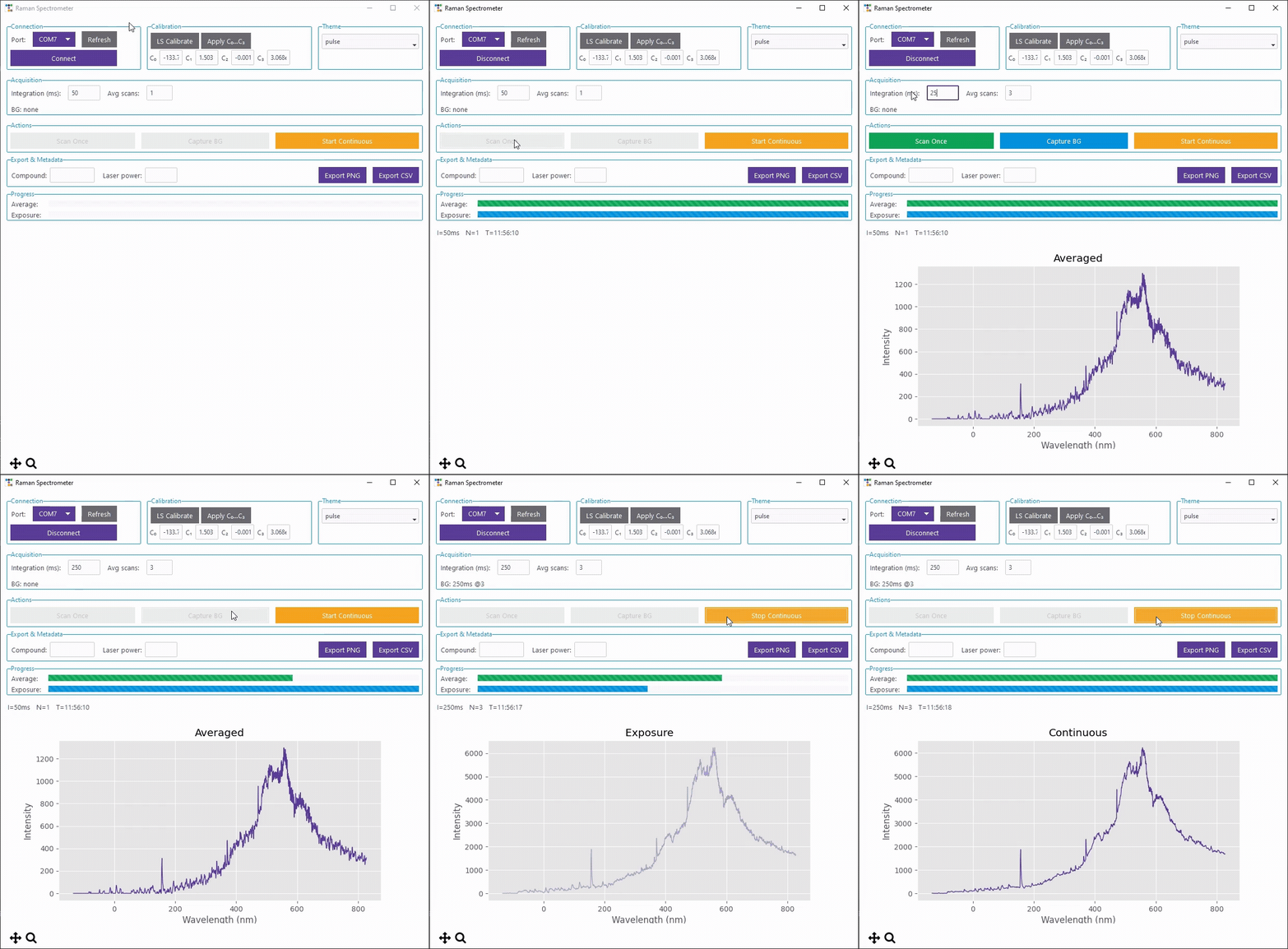
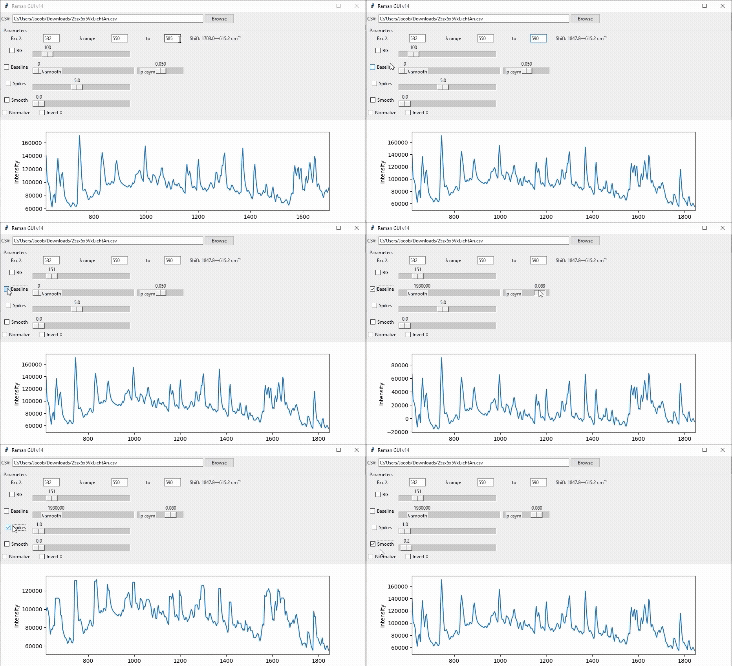
Alpha versions of the acquisition and post-processing software are available now and allow serial communication with the B&W Tek spectrometer.
Nicht das richtige Subheading Element
This is a custom heading element.
I am text block. Click edit button to change this text. Lorem ipsum dolor sit amet, consectetur adipiscing elit. Ut elit tellus, luctus nec ullamcorper mattis, pulvinar dapibus leo.
Test
Alpha versions of the acquisition and post-processing software are available now and allow serial communication with the B&W Tek spectrometer.
Quick Introduction
What is Raman Spectroscopy?
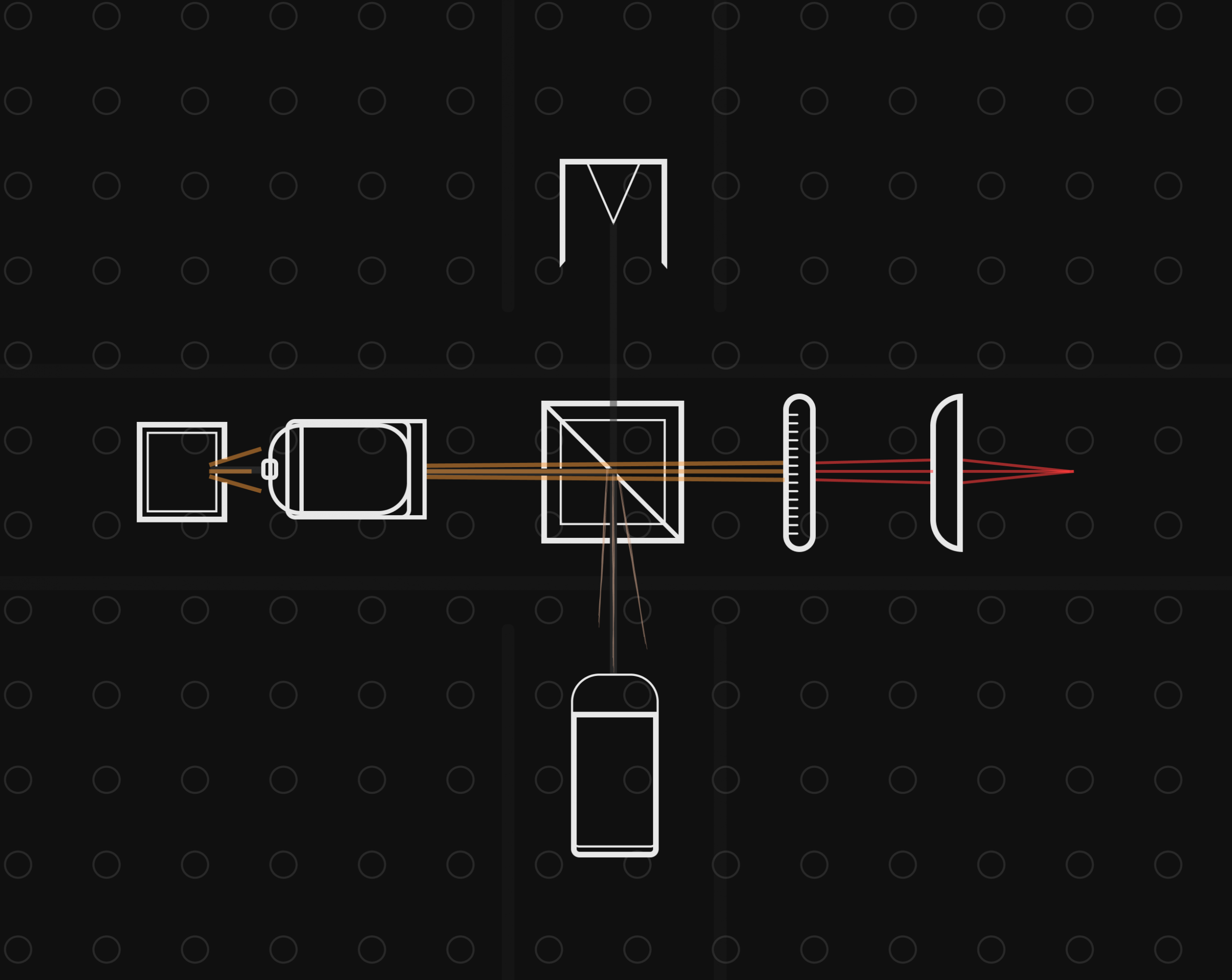
In simple terms, a Raman spectrometer uses a laser to focus light onto a small spot on a sample. The photons excite molecular vibrations that scatter the light and uniquely shift its wavelength – known as Raman scattering. By filtering out the Rayleigh-scattered, original laser light, we isolate and capture the desired signal, guide it into a spectrometer and plot it as a unique spectrum.
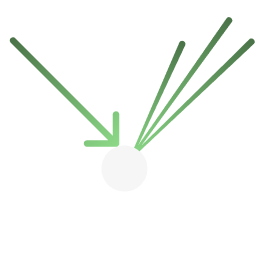
Rayleigh Scattering
- so-called inelastic scattering
- affects about 1 in 10 million photons
- incident light changes direction and energy
- the molecule gains or loses energy = wavelength shift
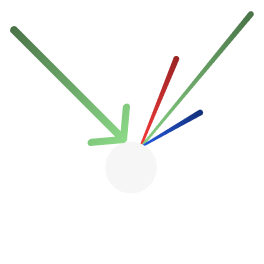
Raman Scattering
- so-called elastic scattering
- the most common, visible everyday scattering
- incident light only changes direction
- wavelength stays the same
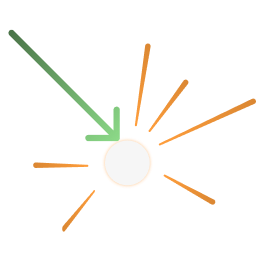
Fluorescence
- e.g., the glow under UV
- incident light is absorbed and re-emitted
- much stronger than the Raman signal
- emitted in random directions
Rayleigh Scattering
- so-called inelastic scattering
- affects about 1 in 10 million photons
- incident light changes direction and energy
- the molecule gains or loses energy = wavelength shift
Raman Scattering
- so-called elastic scattering
- the most common, visible everyday scattering
- incident light only changes direction
- wavelength stays the same
Fluorescence
- e.g., the glow under UV
- incident light is absorbed and re-emitted
- much stronger than the Raman signal
- emitted in random directions
Rayleigh Scattering
- so-called inelastic scattering
- affects about 1 in 10 million photons
- incident light changes direction and energy
- the molecule gains or loses energy = wavelength shift
Raman Scattering
- so-called elastic scattering
- the most common, visible everyday scattering
- incident light only changes direction
- wavelength stays the same
Fluorescence
- e.g., the glow under UV
- incident light is absorbed and re-emitted
- much stronger than the Raman signal
- emitted in random directions

White_SVG_Parts_1 (13)

White_SVG_Parts_1 (11)

White_SVG_Parts_1 (10)

White_SVG_Parts_1 (9)

White_SVG_Parts_1 (8)

White_SVG_Parts_1 (6)

White_SVG_Parts_1 (7)

White_SVG_Parts_1 (5)
White_SVG_Parts_1 (13)
White_SVG_Parts_1 (11)
White_SVG_Parts_1 (10)
White_SVG_Parts_1 (9)
White_SVG_Parts_1 (8)
White_SVG_Parts_1 (6)
White_SVG_Parts_1 (7)
White_SVG_Parts_1 (5)
White_SVG_Parts_1 (13)
White_SVG_Parts_1 (11)
White_SVG_Parts_1 (10)
White_SVG_Parts_1 (9)
White_SVG_Parts_1 (8)
White_SVG_Parts_1 (6)
White_SVG_Parts_1 (7)
White_SVG_Parts_1 (5)
Quick Introduction
What is Raman Spectroscopy?
In simple terms, a Raman spectrometer uses a laser to focus light onto a small spot on a sample. The photons excite molecular vibrations that scatter the light and uniquely shift its wavelength – known as Raman scattering. By filtering out the Rayleigh-scattered, original laser light, we isolate and capture the desired signal, guide it into a spectrometer and plot it as a unique spectrum.
- Laser Pointer
- Optical Filters
- Focusing Lenses
- Spectrometer
Non-destructive
Liquid, solid & gaseous
In-situ analysis
Rayleigh Scattering
- so-called inelastic scattering
- affects about 1 in 10 million photons
- incident light changes direction and energy
- the molecule gains or loses energy = wavelength shift
Raman Scattering
- so-called elastic scattering
- the most common, visible everyday scattering
- incident light only changes direction
- wavelength stays the same
Fluorescence
- e.g., the glow under UV
- incident light is absorbed and re-emitted
- much stronger than the Raman signal
- emitted in random directions
Rayleigh Scattering
- so-called inelastic scattering
- affects about 1 in 10 million photons
- incident light changes direction and energy
- the molecule gains or loses energy = wavelength shift
Raman Scattering
- so-called elastic scattering
- the most common, visible everyday scattering
- incident light only changes direction
- wavelength stays the same
Fluorescence
- e.g., the glow under UV
- incident light is absorbed and re-emitted
- much stronger than the Raman signal
- emitted in random directions


Visit the Resources or Instructions page to get started!
Change the color to match your brand or vision, add your logo, choose the perfect layout, modify menu settings and more.
